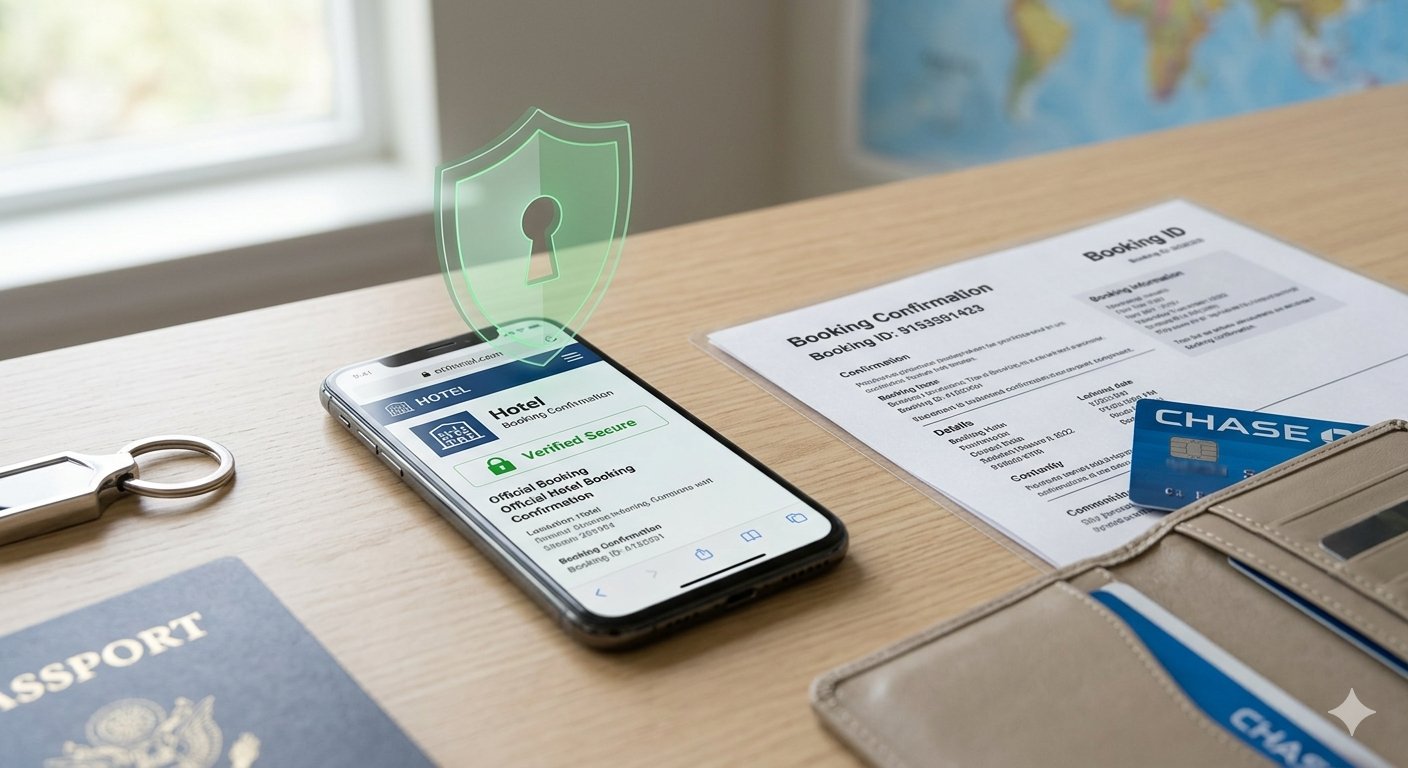
How to Avoid Online Hotel Booking Scams: A Traveler’s Guide to Safe Stays

How to Avoid Online Hotel Booking Scams: A Traveler’s Guide to Safe Stays
The digital travel landscape makes browsing accommodations incredibly simple, but it has also given rise to sophisticated cyber threats. Cybercriminals frequently design highly accurate mirror websites of popular properties, publish fraudulent room listings, and utilize deceptive marketing loops to target unsuspecting vacationers.
Encountering hotel booking scams does more than hurt your budget—it can leave you completely stranded in an unfamiliar destination with nowhere safe to stay. Protecting yourself requires learning how to verify digital properties and spot technical security anomalies before making a payment.
1. Spotting the “Ghost Listing” and Mirror Website Blueprint
The most widespread booking scam relies on complete visual imitation. Scammers download authentic photos from high-end hotels, clone the legitimate layout of major booking platforms, and launch a lookalike website on a slightly misspelled domain name.
- Inspect the URL Architecture: Scammers often use subtle domain variations. For example, instead of
OfficialHotelBrand.com, a fraudulent site might useOfficialHotel-Booking-Discount.comorOfficialHotelBrand-Support.net. Always check the address bar for the correct domain spelling and a verified security lock icon. - Verify Contact Channels: Fraudulent websites rarely provide legitimate, operational phone numbers or physical location addresses. Try placing a direct call to the listed front desk number. If the line is disconnected or the recipient answers with a vague phrase like “customer service” rather than the hotel’s explicit name, treat it as a red flag.
2. Recognizing High-Risk Payment Requests
Legitimate hotels and authorized Online Travel Agencies (OTAs) rely on standardized, secure financial checkout gateways that accept major credit card institutions.
If a booking website or a private property host asks you to bypass the standard checkout terminal, proceed with extreme caution. Never settle a room reservation using:
- Direct bank-to-bank wire transfers (such as Western Union)
- Peer-to-peer mobile apps (like Venmo, Zelle, or Cash App)
- Cryptocurrency tokens or pre-paid retail gift cards
Credit card companies include integrated fraud protection clauses that allow you to initiate a dispute or chargeback if a transaction turns out to be fraudulent. Alternative payment methods operate like cash transactions—once the funds leave your account, they are gone permanently.
3. The Danger of “Too Good to Be True” Social Media Ads
Be careful when clicking on deeply discounted hotel ads on platforms like Instagram, Facebook, or TikTok. Scammers frequently buy ad space to push extreme flash sales, such as advertising a luxury overwater villa for 80% below standard market rates.
When you click these links, they lead to countdown-timer pages designed to make you panic and enter your credit card info before thinking. If a premium property has open inventory during a holiday weekend at an impossibly low price, go to an official directory site to see if that rate actually exists.
Frequently Asked Questions (FAQ)
How can I reliably verify a hotel booking online?
After completing a reservation on a third-party site, call the hotel property directly using a telephone number found via an independent directory search (like Google Maps). Provide your full name and check-in dates to ensure your reservation is logged in their internal property management software. Do not rely entirely on an automated email confirmation from an unverified source.
What should I do if I fall victim to a hotel booking scam?
Contact your credit card issuer immediately to report the transaction as fraud and request a card freeze and chargeback. Following that, file an official cybercrime report with your local jurisdiction’s consumer protection authority (such as the Internet Crime Complaint Center in the United States or equivalent international hubs).
Is it safer to book rooms on third-party sites or direct hotel pages?
Both pathways are safe provided you verify the authenticity of the platform. Established global aggregators like Booking.com or Tripadvisor offer secure consumer frameworks. However, whenever possible, navigating directly to the verified official page of a specific property offers the highest level of security and cuts out the middleman entirely.
Final Thoughts
Avoiding hotel booking scams doesn’t require advanced technical knowledge. By maintaining close attention to website URLs, refusing unconventional out-of-system payment requests, and independently verifying your stay directly with front desk management, you can keep your personal data secure and your travel plans on track.
