
Location and Vibe: The Secret to Picking the Perfect Hotel
When we book travel accommodations online, we easily get caught up looking at bedroom photos, thread counts, and bathroom marble. But here is an insider travel secret: you don’t live entirely inside your hotel room. The immediate surroundings, street accessibility, and local noise levels will dictate your vacation happiness far more than the size of the TV screen.
Before booking your next stay, you must evaluate the critical duo of location and vibe. Striking the right balance ensures your lodging complements the actual purpose of your trip.
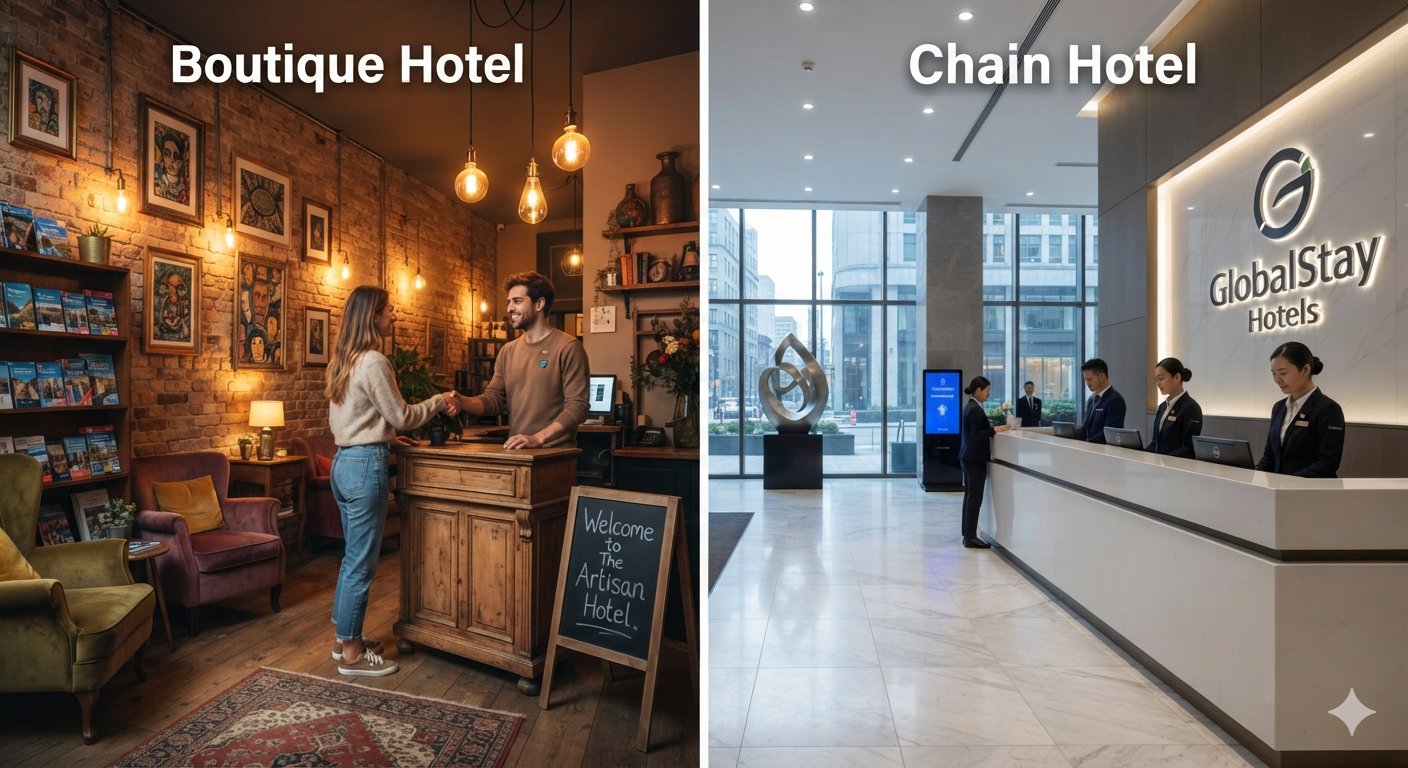
Here’s your generated image.
1. Defining the Core Travel “Vibes”
Every hotel or resort emits a specific energy based on its architecture, its staff, and—most importantly—the neighborhood it anchors. Understanding the mood you want helps filter out the wrong listings instantly:
- The Urban Energy Vibe: Typically situated right in the heart of major metropolitan districts. You step outside the lobby doors directly onto bustling sidewalks, steps away from transit hubs, street artists, and late-night nightlife.
- The Neighborhood Culture Vibe: Positioned slightly outside the main commercial tourist traps, these properties sit in historic residential zones, artistic quarters, or hipster communities. The vibe here is relaxed, focusing on third-wave local coffee shops, independent boutiques, and authentic local food spots.
- The Off-the-Beaten-Path Serenity Vibe: These properties prioritize complete seclusion. Think mountain chalets, hidden beach bungalows, or desert oases. The primary soundscapes are wind, ocean waves, or forest wildlife rather than passing sirens and traffic.
2. Navigating the Proximity vs. Budget Tradeoff
The closest hotel to a landmark isn’t always the smart choice. Booking accommodations in absolute prime areas (like right next to the Eiffel Tower or Tokyo’s Shibuya Crossing) guarantees heavy tourist crowds, premium price markups, and potentially noisy environments.
Consider stepping two to three transit stops away from the primary hub. You will often find larger room sizes, quieter sleeping hours, and a much more authentic local experience—all while saving significant money.
3. Scrutinizing the Surrounding Area Virtually
A hotel’s booking page will always show you beautifully framed, cropped photos of their property. They won’t show you the heavy construction site next door, the steep unpaved hill you have to climb to reach the front door, or the unlit alleyway leading to the nearest subway line.
- Use Satellite and Street View Tools: Drop a virtual pin right outside the hotel entrance. Walk the surrounding streets digitally. Is the neighborhood pedestrian-friendly? Are there grocery stores, pharmacies, or cafes nearby?
- Scan Reviews for Environmental Red Flags: Search guest feedback specifically using keywords like “noise,” “safety,” “construction,” “hill,” or “dark.” A hotel can look luxury on paper, but a nearby nightclub bass line vibrating your windows until 3 AM will ruin any holiday.
Frequently Asked Questions (FAQ)
What does “vibe” mean when talking about a hotel?
The vibe refers to the overall atmosphere, personality, and demographic appeal of a property. It is created by a blend of interior design, background music choices, lighting, communal spaces, and the general attitude of the staff. A hotel can have a “business professional vibe”, a “high-energy social backpacker vibe,” or a “quiet romantic wellness vibe.”
How can I verify if a hotel location is safe before booking?
Beyond checking global travel advisories, use digital map tools to look for active street life, nearby public transport stops, and open businesses. Read recent reviews specifically written by solo travelers or families, as they frequently comment on their comfort levels walking around the neighborhood after dark.
Should I prioritize a good hotel location or a better room luxury layout?
This depends entirely on your trip purpose. If you plan to spend 12 hours a day sightseeing, prioritize location and vibe—choose a central, accessible spot where you only need the room to sleep. If you are planning a relaxing getaway, honeymoon, or a work-from-hotel trip, prioritize room luxury, amenities, and property space over central location.
Final Thoughts
A hotel room isn’t an isolated island; it’s an integrated gateway into your destination. By explicitly pairing the geographical location with the specific environmental energy you crave, you protect your trip from unwanted surprises and guarantee an authentic travel experience.